

Electromagnetic interference (EMI) is a common challenge in modern electronic systems, especially in applications involving switching power supplies, power converters, automotive electronics and industrial equipment. Proper filtering components are required to reduce unwanted noise and improve system reliability.
An EMI inductor is one of the key magnetic components used in EMI filtering circuits. By providing impedance against high-frequency noise signals while allowing desired current flow, EMI inductors help control interference and maintain stable electrical performance.
This guide explains how EMI inductors work, how they improve EMI filtering performance, what factors should be considered during selection and where they are commonly used in modern electronic systems.
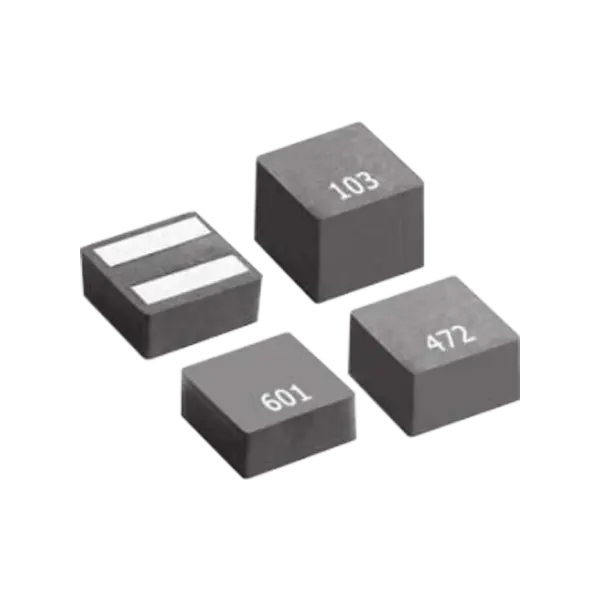
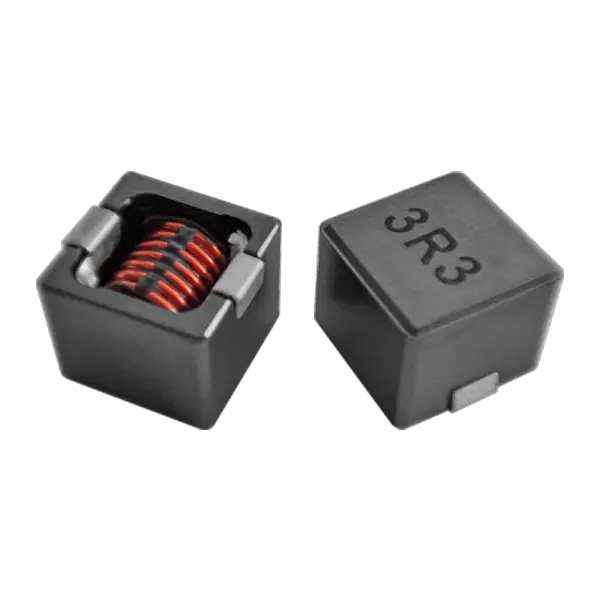
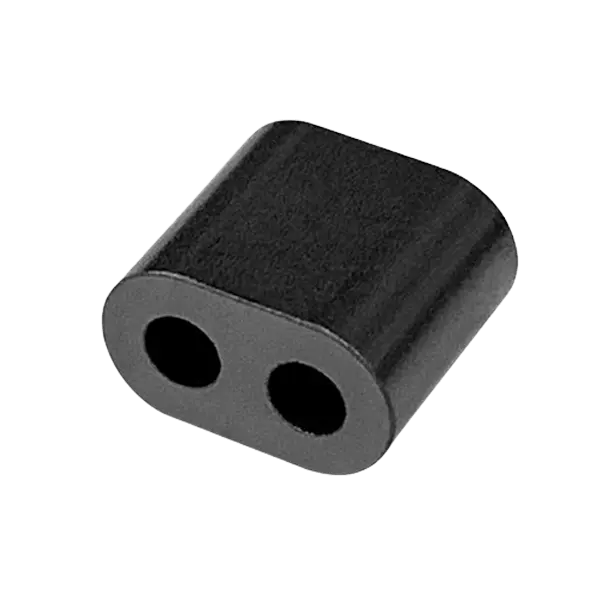
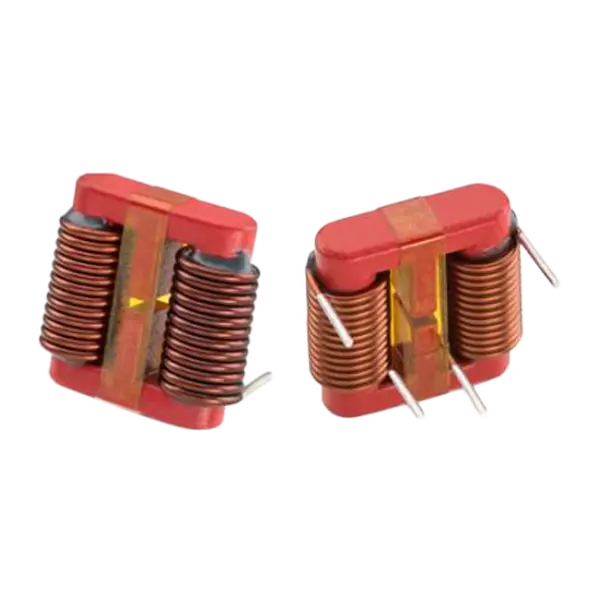
An EMI inductor is a magnetic component designed to suppress unwanted electromagnetic interference in electrical circuits. It is commonly used in filtering applications where engineers need to reduce conducted noise and improve electromagnetic compatibility (EMC).
The basic working principle of an EMI inductor is based on the relationship between inductance and frequency. An inductor allows low-frequency current signals to pass while presenting higher impedance to high-frequency noise components.
In practical circuits, EMI inductors help:
Reduce unwanted high-frequency interference
Improve signal and power stability
Support electromagnetic compatibility requirements
Protect sensitive electronic components from electrical noise
Because different applications generate different types of interference, selecting the appropriate inductor design is important for achieving effective noise suppression.
EMI filtering performance depends on how effectively an inductor blocks unwanted noise while maintaining efficient power transmission. The magnetic characteristics and electrical parameters of an inductor directly influence filtering results.
At higher frequencies, inductors provide increased impedance, which helps reduce the transmission of unwanted noise signals through power or signal lines.
This makes EMI inductors useful in circuits where switching frequencies or electronic components generate interference.
While suppressing high-frequency interference, EMI inductors are designed to maintain normal current flow required by the circuit. This balance between filtering performance and power handling capability is critical for reliable operation.
Excessive electromagnetic interference may affect communication signals, control systems and sensitive electronic components. Proper EMI filtering helps improve overall system stability and reduce potential performance issues.
Selecting an EMI inductor requires evaluating electrical requirements, operating conditions and application environment. The right component should provide sufficient filtering performance while meeting current, temperature and space limitations.
Inductance determines the filtering characteristics of the component. Engineers should select an appropriate inductance value based on the required noise attenuation range and circuit design.
The rated current capability is important for power applications. An EMI inductor must handle the expected current without excessive temperature rise or performance degradation.
Different EMI problems occur at different frequency ranges. The selected inductor should match the target interference frequency to achieve effective filtering performance.
The magnetic core material affects inductance stability, core loss and frequency characteristics. Common material considerations include ferrite, iron powder and other magnetic materials depending on application requirements.
Low DC resistance helps reduce power loss and heat generation. For continuous operation environments, thermal performance should also be considered during component selection.
A complete evaluation of electrical parameters and application conditions helps engineers select an EMI inductor that provides reliable long-term performance.
EMI inductors and common mode chokes are both used for electromagnetic interference suppression, but they are designed for different filtering requirements.
| Comparison | EMI Inductor | Common Mode Choke |
|---|---|---|
| Main Function | Provides impedance to unwanted noise signals in filtering circuits | Suppresses common mode noise through coupled windings |
| Typical Structure | Single or specialized inductive structure | Multiple windings on a shared magnetic core |
| Common Applications | Power filtering, converters and electronic systems | EMI suppression in power and communication lines |
Although common mode chokes are widely used for EMI suppression, they are not identical to all EMI inductors. The correct choice depends on the type of interference, circuit structure and filtering requirements.
EMI inductors are used across various industries where electrical noise control and stable power performance are required.
Switching power supplies generate high-frequency noise during operation. EMI inductors help reduce interference and improve power quality in adapters, converters and power management systems.
Modern vehicles contain increasingly complex electronic systems, including charging systems, battery management systems and power control modules. EMI inductors help improve electromagnetic compatibility and system reliability.
Solar inverters and energy storage systems require effective filtering to maintain stable power conversion. EMI inductors can help reduce electrical noise generated by switching circuits.
Motor drives, automation systems and industrial controllers often require EMI control to ensure stable operation and reduce interference between electronic components.
Different electronic systems may require customized EMI inductors based on electrical specifications, installation requirements and operating conditions.
Important customization factors may include:
Inductance value
Current capacity
Core material selection
Component dimensions
Operating frequency
Thermal requirements
Working with an experienced magnetic component manufacturer allows engineers to evaluate suitable materials and designs for specific EMI filtering applications.
Magnetic Cube provides magnetic component solutions for different electronic applications, supporting customers with customized requirements for inductive components and EMI-related applications.
An EMI inductor is used to reduce unwanted electromagnetic interference in electronic circuits by increasing impedance against high-frequency noise signals.
An EMI inductor reduces noise by blocking high-frequency interference while allowing desired current signals to pass through the circuit.
An EMI inductor and common mode choke are both used for noise suppression, but they work differently. Common mode chokes are designed specifically to suppress common mode interference through coupled windings.
Selection should consider inductance value, current rating, frequency range, core material, DC resistance, thermal performance and the specific application requirements.
EMI inductors are commonly used in power supplies, automotive electronics, renewable energy systems, industrial equipment and other electronic applications requiring noise control.

This is the first one.


 English