



The electric power industry depends on reliable magnetic components to support power generation, transmission, distribution, conversion, and control. Inductors and transformers help step voltage up or down, store energy, filter electrical noise, smooth current, and improve power-system stability. Effective inductive components manufacturing must therefore consider operating voltage, current, frequency, insulation, temperature rise, core loss, and the environmental conditions of the final application. This article explains how inductive components support modern electric power systems and how manufacturing decisions influence their performance.
In power generation, whether it's a coal-fired power plant, a nuclear power station, or a hydroelectric dam, inductive components that use electrical energy are essential. Transformers are used to step up the voltage of the generated electricity for transmission. This is necessary because higher voltages reduce power loss during transmission, making the process more efficient.
In addition, an inductor in electrical circuit is used in the power electronics of generators to filter out noise and smooth out the current, ensuring stable and reliable power generation.
Once electricity is generated, it needs to be transmitted over long distances and then distributed to homes and businesses. Again, inductive components play a crucial role in this process.
Transformers are used in substations to step down the voltage from the high levels used for transmission to lower levels suitable for distribution. They are also used in distribution networks to further step down the voltage to the levels used in homes and businesses.
Inductors in electrical circuit are used in transmission and distribution networks to manage power flow and compensate for reactive power, improving the efficiency and stability of the network.
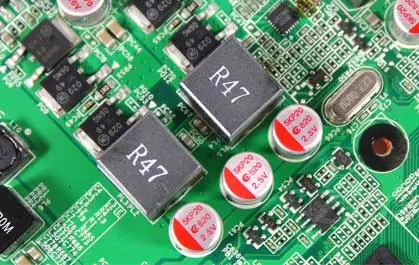
At Magnetic Cube, our inductive components manufacturing work begins with the customer’s electrical parameters and operating conditions. We evaluate inductance, current capacity, operating frequency, core loss, temperature rise, insulation, component dimensions, and EMI requirements before determining the magnetic core, winding structure, wire specification, and mechanical configuration.
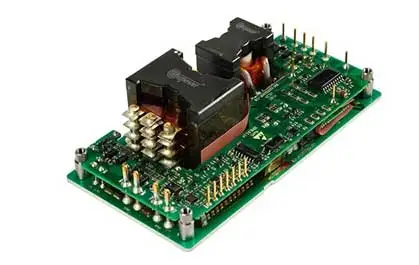
We support the development of inductors, coils, and transformers for power supplies, power-conversion equipment, renewable-energy systems, industrial controls, and power transmission and distribution applications. Our engineering and production teams coordinate component design, sample verification, electrical testing, and production control to help customers obtain inductive components suited to their system requirements.
| Manufacturing stage | Our focus |
| Application evaluation | We review voltage, current, frequency, inductance, temperature, insulation, and installation requirements. |
| Core and winding design | We select the core material, core structure, wire type, winding method, and component dimensions according to the target performance. |
| Prototype verification | We evaluate electrical parameters, temperature rise, saturation behavior, insulation, and application-specific performance. |
| Production control | We control materials, winding consistency, assembly, and electrical testing according to the approved component specifications. |
| Custom development | We adjust electrical and mechanical parameters to support different power-system and equipment requirements. |
As electric power systems move toward renewable generation, energy storage, distributed power, and higher-frequency power conversion, inductive components manufacturing must respond to increasing demands for efficiency, power density, thermal stability, and compact dimensions.
Advances in magnetic materials, winding structures, insulation systems, and production processes can help reduce core loss, control temperature rise, and support higher switching frequencies. For manufacturers, the challenge is not simply to make inductive components smaller, but to balance electrical performance, thermal management, reliability, manufacturability, and cost for each power application.
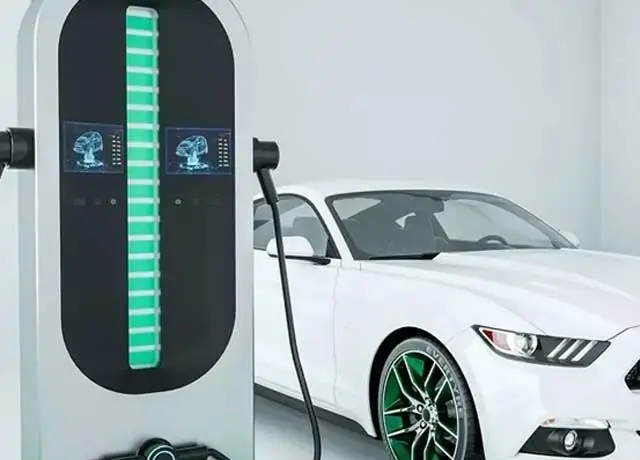
Inductive components used in electric vehicles are vital to the operation of the electric power industry, enabling the generation, transmission, and distribution of electricity. As the industry continues to evolve, the electronic component wholesale that uses electrical energy will play an even more critical role in powering our world. From enabling efficient power generation to ensuring reliable power transmission and distribution, inductive components are at the heart of the electric power industry.
 English