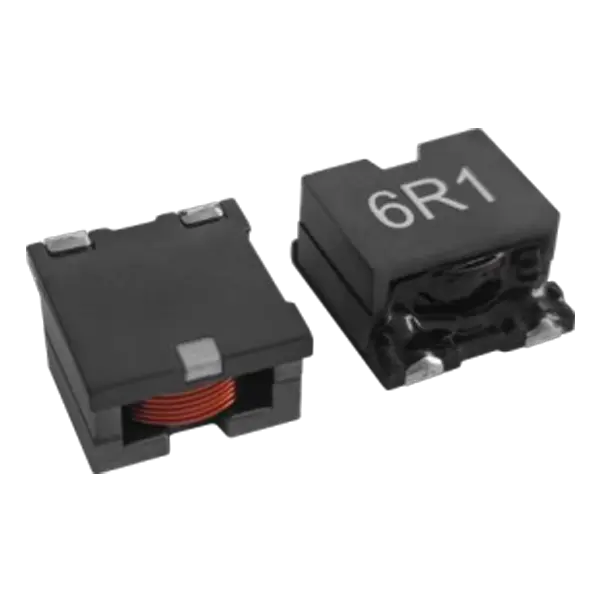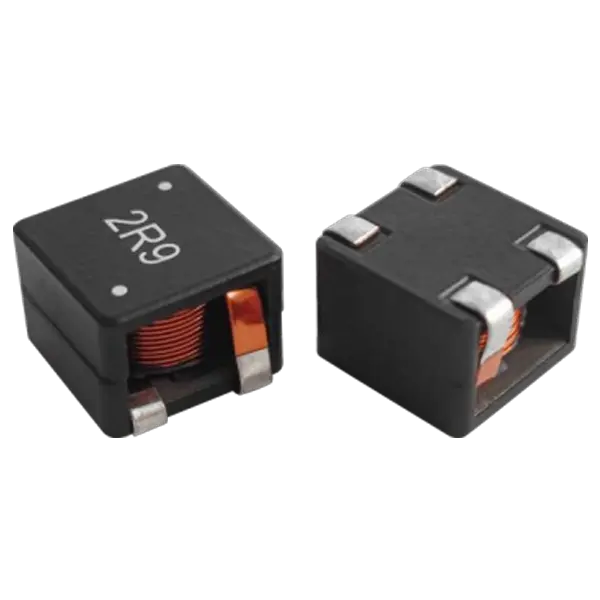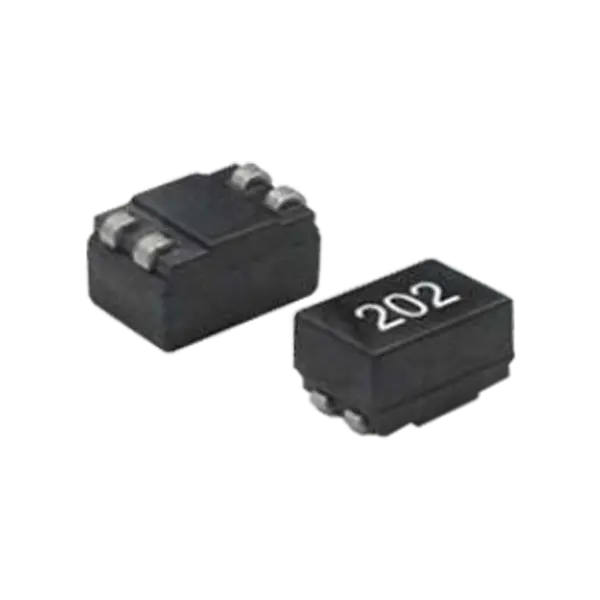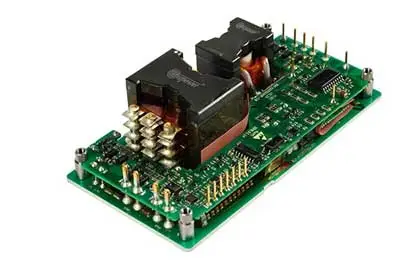




The automotive industry has seen a significant shift towards electronics and automation in recent years. From electric vehicles to advanced driver-assistance systems, electronics are at the heart of these innovations. At the core of these electronic systems are qualified automotive electronic components, such as inductors and transformers, which play a crucial role in ensuring optimal performance.
As a leading automotive electronic components supplier, Magnetic Cube understands the critical importance of these innovations. We’ve earned our reputation among elite automotive electronic components suppliers through rigorous quality control and R&D investment. This blog post will delve into the applications of automotive electronics components.
In today’s highly regulated mobility market, automotive standards for electronic components are the foundation of safety, reliability, and long-term vehicle performance. By strictly adhering to automotive standards for electronic components, manufacturers can ensure compliance with global regulations, reduce failure rates, and enhance consumer trust across every vehicle platform.
AEC-Q100 and AEC-Q101 define qualification requirements for integrated circuits and discrete semiconductors, verifying long-term durability and electrical stability.
AEC-Q200 applies to passive components such as resistors and capacitors, ensuring they maintain performance under mechanical and environmental stress.
ISO 26262 focuses on functional safety, addressing risk management across electrical and electronic systems to prevent hazardous failures.
IATF 16949 establishes quality management requirements for automotive manufacturing, emphasizing process control, traceability, and continuous improvement.
ISO 16750 specifies environmental and mechanical testing conditions to validate component performance in real-world vehicle applications.
As vehicle electrification and intelligent systems accelerate, automotive electronic component suppliers must continuously upgrade quality control systems to meet evolving automotive standards for electronic components. Brands that collaborate with certified automotive electronic component suppliers gain a competitive advantage through stable supply chains, consistent quality, and faster market entry, all while fully complying with automotive standards for electronic components.
Inductive components are integral to the functioning of various electronic systems in vehicles. They are used in ignition systems to generate the high voltage needed to ignite the fuel-air mixture in the engine. In audio systems, custom inductors are used in filters to separate audio signals into different frequency bands, ensuring clear and high-quality sound output.
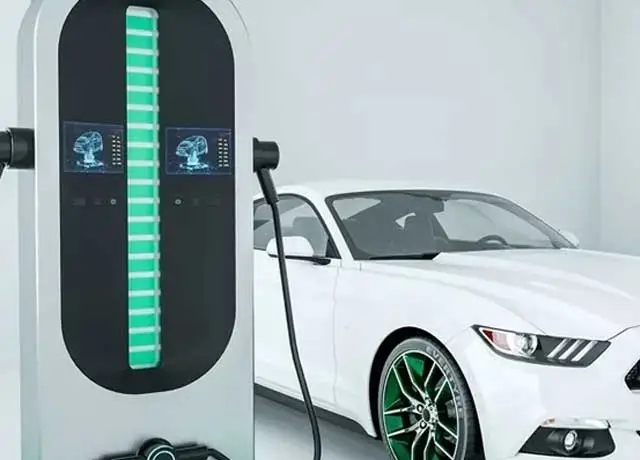
In electric vehicles, these automotive electrical components are even more critical. These qualified automotive electronic components are used in the charging systems to convert the AC power from the grid to DC power for charging the battery. In the vehicle's power electronics, inductors and transformers are used in DC-DC converters and inverters to manage and convert the power from the battery to the electric motor.
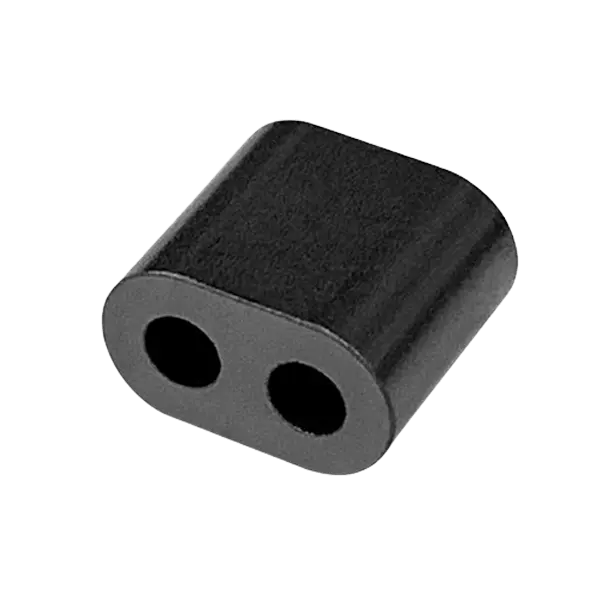
Advanced driver-assistance systems (ADAS) are becoming increasingly common in modern vehicles. These systems use various sensors and cameras to assist the drivers in driving and parking, improving safety and convenience. Automotive electronics components, including F Material Toroids are used in these systems for signal processing and power management.
For instance, in radar systems used for adaptive cruise control and collision detection, inductors are used in the tuning circuits to select the correct operating frequency. In camera systems, inductors are used in power supplies to provide stable and noise-free power, ensuring clear and reliable images. In today’s fast-evolving automotive industry, the demand for qualified automotive electronic components continues to grow.
As the automotive industry continues to evolve towards more electrification and automation, the demand for automotive electrical components is expected to grow. With the advent of autonomous vehicles, the complexity and number of electronic systems in vehicles will increase, requiring more automotive electronic components for signal processing and power management.
Moreover, as electric vehicles become more prevalent, the need for efficient and compact automotive electronic component wholesale will increase. Innovations in inductive component design and materials are expected to meet these demands, providing more efficient, compact, and reliable solutions.
Automotive-qualified electronic components are the unsung heroes of the automotive industry, quietly ensuring the optimal performance of various electronic systems in vehicles. As the industry continues to evolve, these qualified automotive electrical components, including custom ferrite cores will play an even more critical role in shaping the future of mobility.
Whether it's enhancing the audio experience, ensuring efficient power management in electric vehicles, or enabling advanced driver-assistance systems, automotive electronic components are driving the automotive industry forward. Don’t settle for ordinary automotive electronic components suppliers — partner with innovators who accelerate your time-to-market.
Choosing experienced automotive electronic component suppliers is not just about cost efficiency but about proven processes aligned with automotive standards for electronic components from design to mass production. Partnering with a trusted automotive electronic components supplier like us guarantees access to rigorously tested components that comply with global standards. Choose us as your go-to automotive electronic components supplier.
As one of the most trusted automotive electronic components suppliers, we recognize the growing demand for reliable, high-performance parts that meet stringent automotive-grade certifications. Our deep expertise as an automotive electronic components supplier ensures we deliver components that excel in thermal management, EMI shielding, and resilience to extreme conditions.
 English