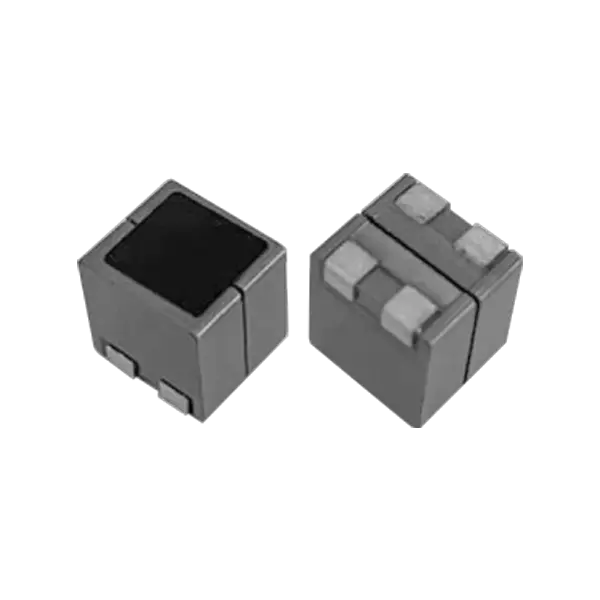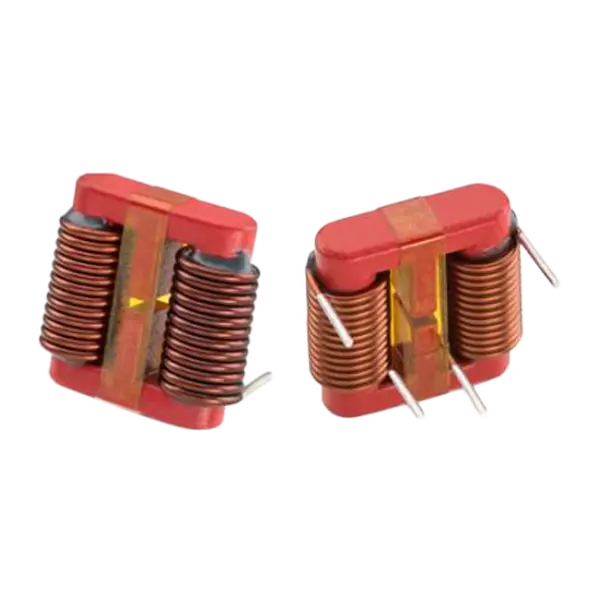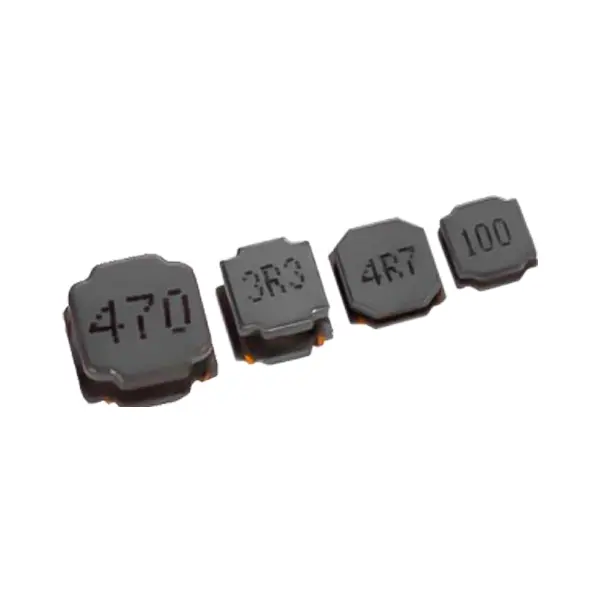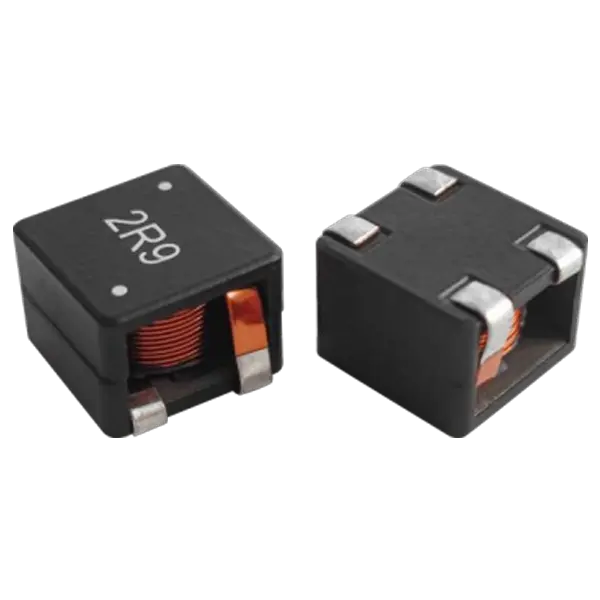




An inductor works by storing electrical energy in the form of magnetic energy. This happens when an electrical current passing through the bobbin inductor creates a magnetic field around it.
Custom ferrite cores are typically made of materials with high magnetic permeability, such as iron, nickel, or cobalt alloys.
Yes, depending on the damage, an induction coil can often be repaired by replacing the damaged wire or insulation.
A common mode choke coil filter inductor is used to filter out noise that is common to two or more lines in an electrical circuit.
The typical lifespan of most electronic components is usually between 10 to 30 years when operating under normal conditions. For maximum longevity, always purchase from trusted electronic component manufacturers with ISO-certified production facilities.
When selecting an inductor factory, prioritize: ISO 9001/IATF 16949 certification (for automotive), in-house R&D and testing capabilities (LCR meters, temperature chambers), material sourcing control (wire, core powders), customization flexibility, and production capacity to scale with your demand. A true manufacturer like Magnetic-Cube controls the entire process from material formulation to final testing, ensuring consistent quality.
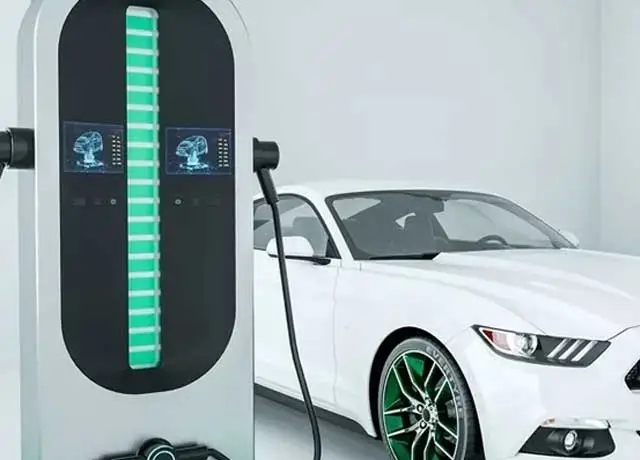
Inductors in daily life are ubiquitous but unseen. They are essential in: Smartphone power circuits (DC-DC converters), Wi-Fi routers (RF chokes and filters), LED drivers (energy storage), Laptop chargers (noise suppression), Electric vehicle chargers (PFC circuits), and Wireless charging pads (transmitter/receiver coils). They enable energy efficiency, signal integrity, and stable power delivery in modern electronics.
You can make small-quantity purchases directly from manufacturers that support engineer sample programs. For prototyping, be sure to choose suppliers that provide full datasheets, S-parameter files, and application support. Magnetic-Cube offers such professional support and provides sample kits of our most popular inductive components.
A ferromagnetic core inductor uses a core made of materials like ferrite, powdered iron, or amorphous metal to increase inductance and energy density within a smaller volume. It is preferred over an air-core inductor when space is constrained, high inductance is needed, or you need to shield magnetic fields. The choice of core material (Mn-Zn, Ni-Zn ferrite, etc.) depends on the operating frequency and required permeability.
The inductor cost is driven by: Raw Material Costs (copper wire, core powder, rare-earth elements), Complexity of Design (custom shapes, multi-winding), Performance Specs (tolerance, current rating, Q factor), Order Volume (economies of scale), and Certifications Required (AEC-Q200 for automotive). Generally, power inductors with high current handling cost more than small-signal chip inductors.
Evaluate inductor suppliers on: Technical Support Depth (FAE availability), Quality Consistency (CPK data, lot traceability), Supply Chain Resilience (raw material inventory, dual sourcing), Communication Responsiveness, and Value-Added Services (SPICE models, custom design tools). A reliable partner like Magnetic-Cube invests in joint problem-solving, not just transactional sales.
Magnetic core manufacturers are the upstream specialists who produce the ferrite, powder, or laminated cores that define an inductor's key properties (inductance, saturation current, core loss). A vertically integrated inductor factory that also controls core manufacturing (like Magnetic-Cube) has significant advantages in material consistency, custom geometry creation, and cost control, leading to better-performing and more reliable end products.
Inductive components (inductors, chokes, coils, transformers) are passive components that store energy in a magnetic field when current flows through them. Their key property is inductance (L), measured in Henries. Unlike capacitors (store energy in an electric field) and resistors (dissipate energy), inductors oppose changes in current, making them crucial for filtering, energy storage, and impedance matching in AC and switching circuits.
You need a custom inductor manufacturer when your design requires unique electrical parameters (specific saturation current, DCR), mechanical form factors (non-standard footprint, height), specialized environmental performance (high temperature, vibration resistance), or integration needs (combining multiple windings or components). Custom design optimizes performance, size, and cost for your specific application.
The process for custom inductors typically involves:
Requirements Submission: Share your electrical specs (L, Isat, Irms, frequency), mechanical constraints, and application details.
Design & Simulation: Our engineers design the core and winding, using FEA software to predict performance.
Prototype Fabrication & Testing: We build samples and provide a full test report.
Design Validation: You test the prototypes in your circuit.
Production Ramp-Up: Once approved, we initiate volume manufacturing with agreed-upon quality checks.
The CD127 is a common part number denoting a specific series of shielded, surface-mount power inductors. These components typically feature a ferrite core, flat wire construction for low DCR, and a magnetic shielding case to minimize EMI. They are widely used in point-of-load (POL) DC-DC converters, voltage regulator modules (VRMs), and power supplies in servers, telecom equipment, and industrial electronics, where high current density and low noise are critical.
At high frequencies (MHz range), core losses (hysteresis and eddy current losses) become dominant. Selecting a core material with low loss at your switching frequency (e.g., Ni-Zn ferrite or specialized powdered iron) is crucial for efficiency. The wrong material can lead to excessive heating, reduced efficiency, and thermal runaway. We guide you in selecting the optimal core from our portfolio as a magnetic core manufacturer.
Key test parameters include: Inductance (L) at rated frequency and current, DC Resistance (DCR), Saturation Current (Isat) - current at which inductance drops by a specified % (e.g., 20-30%), Thermal Current (Irms) - current causing a specified temperature rise, Self-Resonant Frequency (SRF), and Q Factor. Reliable suppliers provide comprehensive curves (L vs. I, DCR vs. Temp) in their datasheets.
The winding technique directly impacts DCR (and thus copper loss), current handling, parasitic capacitance (affecting SRF), and manufacturability. Thicker wire or flat wire reduces DCR. Multi-strand litz wire reduces AC resistance at high frequencies. Foil windings offer excellent current handling and heat dissipation. Our engineering team optimizes the winding design as part of our custom inductor service to meet your exact electrical and thermal requirements.
 English